 Balmorex Pro
Understand the whole cream, not just the headline list
Balmorex Pro contains a blend of botanical ingredients, oils and formulation components in a topical cream. Eight ingredients are promoted most prominently, but the full label provides a broader picture of what is inside the jar. If you are comparing formulas or checking a known sensitivity, review the complete panel rather than relying only on the front-facing ingredient highlights.
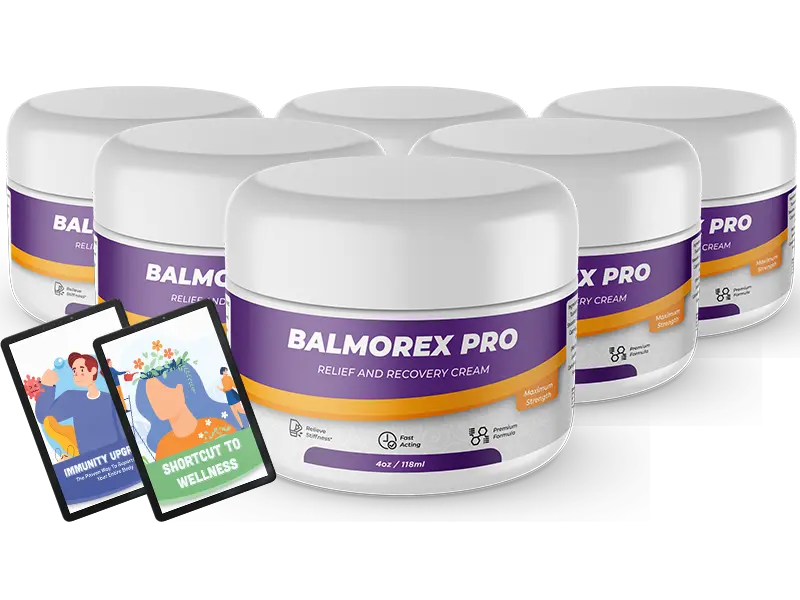
This is an external-use product, not an oral supplement. Ingredient names that also appear on capsule bottles do not make the cream equivalent to those products. Balmorex Pro does not disclose a separate amount or percentage for each ingredient, so the list identifies composition without offering a measured daily dose for every component. Each jar contains 4 ounces, or 118 ml.
MSM and the multi-ingredient format
MSM is the abbreviation for methylsulfonylmethane. It appears among the eight promoted ingredients and on the full product label. In Balmorex Pro it is incorporated into a cream alongside oils, emollients and other components. It is not supplied as an individual measured powder, tablet or standalone topical ingredient that you apply separately.
That distinction is useful when comparing products. An oral MSM supplement may list a serving amount in milligrams; this cream does not provide that type of ingredient breakdown. You therefore cannot calculate an equivalent oral serving from one application. The relevant questions are whether the finished cream fits your preferences, whether you tolerate its ingredients and whether you can follow its application directions.
Arnica oil and hemp seed oil
Arnica oil is a botanical ingredient commonly associated with topical massage products. Within this blend, it accompanies the cream base and the other promoted ingredients. If you know that you react to arnica or a related product, its familiar name is a reason to pause and seek individual advice, rather than assume that combining it with other ingredients removes that concern.
Hemp seed oil is another promoted oil component. Do not treat its inclusion as a statement of CBD concentration or as proof that this is a CBD cream. The supplied label identifies the formula that is actually sold; it does not establish a separate cannabinoid serving. When ingredient wording is unclear for your specific needs, ask product support about the current label before ordering.
Indian frankincense and ginger root
Indian frankincense is represented on the label by Boswellia serrata extract. Ginger root also appears as an extract. Both are botanical elements of the complete cream, and neither is assigned an individual percentage on the panel. Their presence contributes to the product’s blend-based positioning without telling you exactly how much reaches the skin in one application.
A useful comparison keeps the route of use in view. Information about swallowing a botanical extract does not automatically describe what happens when that ingredient is part of a multi-ingredient topical cream. Avoid choosing a jar by converting an oral study amount into an assumed cream dose. The practical directions are given for Balmorex Pro as a finished product, once daily.
Aloe vera and shea butter
Aloe vera and shea butter are familiar ingredients in skin-care and cream formulations. Aloe is associated with a soothing skin feel, while shea butter is valued as a moisturising component. Their presence helps explain why this product is presented as a spreadable cream rather than a dry formula that must be mixed before use.
These ingredients do not override the label’s restrictions. Balmorex Pro should not be applied to wounds, damaged skin or irritated areas simply because aloe vera is present. Similarly, the inclusion of shea butter does not mean that the product suits every person with dry or sensitive skin. Consider the complete formulation, including the other ingredients, when deciding whether to use it.
Epsom salt in a cream format
Epsom salt is the everyday name used for the magnesium sulfate component featured in the blend. In this setting it is already incorporated into the finished cream. There is no instruction to dissolve it, add it to a bath or soak the body in the product. Apply the cream directly and gently rub until clear, following the once-daily direction.
A jar containing magnesium sulfate is also different from a measured oral magnesium supplement. The label does not state how much magnesium sulfate is in one application or provide an oral-equivalent amount. Comparing products by the word “magnesium” alone would miss that difference. The formula, route, concentration and directions all matter when determining whether two products are meaningfully comparable.
Additional components on the full label
The complete ingredient panel includes water and cream-base components, plus ingredients such as bromelain, niacin, sunflower lecithin, sodium ascorbyl phosphate, menthol, camphor, gamma-aminobutyric acid and Ganoderma lucidum extract. Sodium ascorbyl phosphate is identified with vitamin C. These details show why the eight featured ingredient groups should not be mistaken for the entire contents of the jar.
Other listed components help form and preserve the cream itself. A finished topical product needs more than a collection of headline botanicals: the base affects how the blend is held together and spread over skin. If you are checking a specific ingredient, use the printed label or ask support for clarification instead of assuming that an ingredient absent from a short promotional list is absent from the product.
What the label does not disclose
The panel does not provide the individual concentrations or standardised amounts of the featured ingredients. It also does not define a precise amount of cream to represent a single ingredient serving. Consequently, comparing one named ingredient with another product cannot establish that the two formulas are equally strong or will create the same skin sensation or comfort experience.
The “27-in-1” presentation describes a multi-ingredient approach; it should not be read as twenty-seven separately proven clinical benefits. Manufacturing badges likewise address production claims rather than ingredient-level efficacy. A straightforward ingredient review acknowledges these limits while still recognising the useful facts available: the product form, named components, jar volume and full directions for external application.
Apply the ingredient information to your choice
Start by checking for ingredients you already know you need to avoid. Then consider whether a once-daily topical format fits your routine and whether you use other creams or ointments on the same area. The Balmorex Pro label advises against combining it with other ointments, creams or liniments, so an existing topical routine deserves particular attention before adding the product.
For product-specific ingredient questions, email support@balmorex.pro. For personal questions about a skin condition, medication or known sensitivity, speak with a qualified healthcare professional. If the formula fits your preferences, compare the available jar packages on the price page. All three package sizes contain the same cream; the choice changes quantity and price, not the ingredient blend.

MSM
MSM, or methylsulfonylmethane, is included in the cream alongside botanical oils and moisturising components. It is one of the formula’s eight featured ingredients and also appears on the full panel. Here it is already incorporated into the finished blend, ready for direct application without any separate mixing step.
Arnica Oil
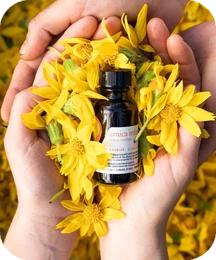
Arnica oil brings a botanical component familiar from topical massage and comfort products. In Balmorex Pro it forms part of the combined cream rather than a separate oil you need to add. The finished formula brings the application into one jar, with gentle rubbing as the simple daily method.
Hemp Seed Oil
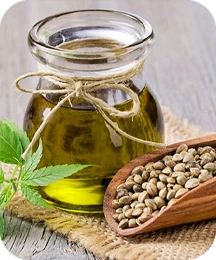
Hemp seed oil adds an oil-based component to the featured blend. It sits alongside shea butter, aloe vera and other ingredients in the cream’s formulation, making it part of a complete topical product. Its inclusion identifies hemp seed oil; it does not establish a CBD concentration or a separate cannabinoid serving.
Indian Frankincense
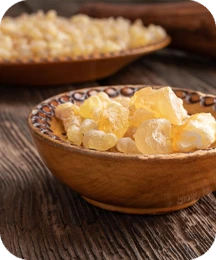
Indian frankincense appears on the label as Boswellia serrata extract. This botanical joins arnica and ginger in the multi-ingredient blend, adding to the formula’s naturally focused composition. It is supplied within the cream itself, so the daily routine does not involve opening capsules or preparing a separate extract.
Aloe Vera
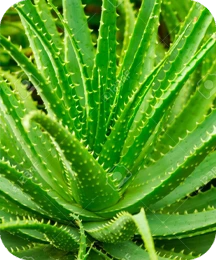
Aloe vera is a familiar choice in formulas designed to feel soothing on the skin. It accompanies oils and emollients in Balmorex Pro, contributing to the product’s skin-care character. The cream format keeps those ingredients together in a spreadable blend that you gently massage into the desired area.
Epsom Salt
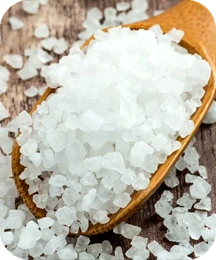
Epsom salt is the everyday name for the magnesium sulfate component in the formula. Balmorex Pro incorporates it into the cream, offering a different format from loose bath salts. You apply the finished product directly to the desired area rather than dissolving ingredients or arranging a separate soaking routine.
Shea Butter
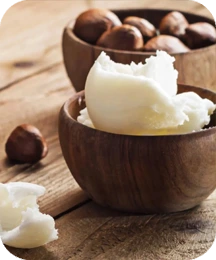
Shea butter is a moisturising component well suited to a cream-based formula. It joins aloe vera and oils in the blend you work into the skin, contributing to the product’s emollient character. The jar presents these components together in a single topical step that requires no preparation before application.
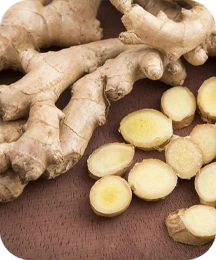
Ginger Root
Ginger root appears as an extract on the full label and completes the eight highlighted ingredient groups. It sits alongside arnica and Indian frankincense in the botanical portion of the blend. Together with the cream base and other components, it forms part of the finished once-daily topical product.